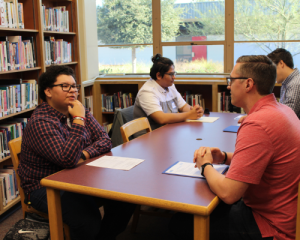
Consider alternative pathways post-high school and the power of a flexible 529 plan.
For years, many parents assumed that the “right” path after high school led straight to a traditional four-year university. But today’s reality looks more like a series of crossroads than a single highway. More students are choosing community college, trade programs, apprenticeships or a mix-and-match approach that better fits their interests, budgets and timelines. And for families trying to plan ahead, the good news is that education savings tools have evolved right along with these changing journeys.
Take community colleges. They have long offered smaller class sizes, lower tuition and the flexibility to explore interests without the pressure of hefty loans. A large share of California community college students transfer to four-year programs, with nearly 69,000 making that leap in fall 2025. For parents, this path can be both financially practical and academically strategic. And savings tools like 529 funds can be used at community colleges, just as at public and private universities across the country.
A 529 is simply a tax-advantaged education savings account and a flexible way to set aside money for your child’s future learning, whether that leads to lecture halls, welding labs, culinary kitchens or something entirely different. Earnings grow tax-free when used for qualified education expenses and the funds can be applied at any eligible educational institution. That flexibility lets families save confidently without needing to predict their child’s exact path years in advance.
And the world of post-high school education is wide. Trade and vocational programs such as culinary arts, HVAC, cosmetology and medical tech offer hands-on training and a faster entry into the workforce. Many of these programs qualify for 529 funding as long as they meet certain state and federal requirements, allowing students to use their savings for tuition, required tools, books and fees.
Apprenticeships and credential programs have gained momentum too, especially as industries look for skilled talent in fields ranging from cybersecurity to advanced manufacturing. Updated federal rules allow families to use 529 savings for registered apprenticeships and recognized postsecondary credential programs, giving students a pathway into high-growth careers without the traditional college price tag.
Amid this shifting landscape, many parents want flexibility above all else. For example, families can open a tax-advantaged 529 education savings account, save at their own pace and use funds for community college, vocational training, apprenticeships, K-12 tuition and educational expenses, and even student loan repayment down the road. If your child eventually chooses a different path or earns a scholarship, many plans let you transfer funds to another family member or apply those savings toward other educational expenses.
As parents, we want to support our kids wherever their futures lead, whether that is toward a bachelor’s degree, a trade certification or a skill-building program we have not yet imagined. Today’s mix of alternative pathways paired with flexible 529s give families the chance to prepare without boxing kids into a single vision of success.
Devon Copeland is the senior communications associate with Commonwealth Savers.