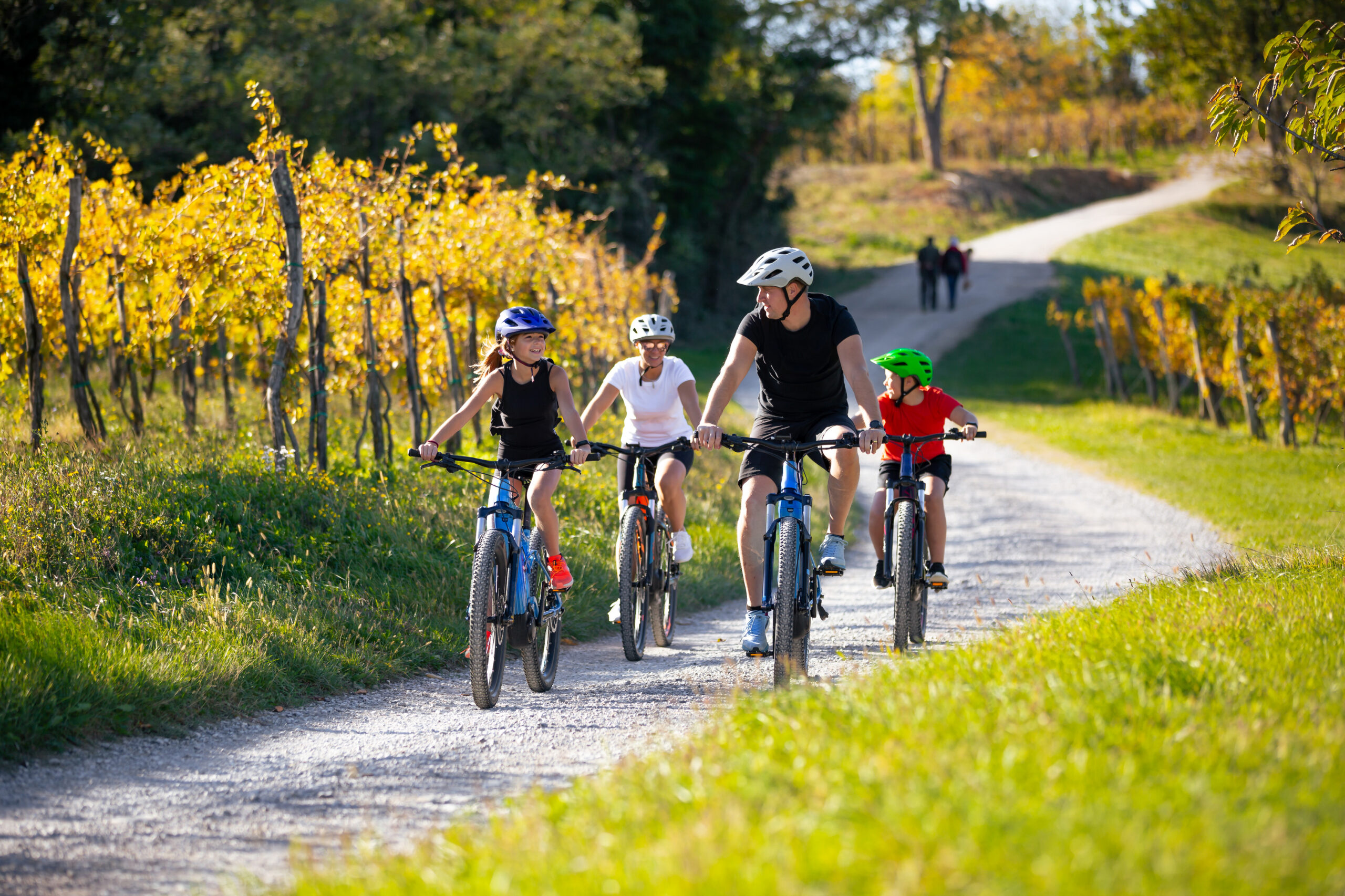
How do I practice e-bike safety with my kids?
E-bikes are becoming ubiquitous and teenagers are gravitating toward them for transportation, including to and from school and beyond. They might be a great option for your family, but like any form of transportation, safety must come first.
The best ways to practice e-bike safety and prevent injuries is through education and communication. If viewed through the same lens as teaching your teens to drive a car safely, the conversation is clearer. Here are some best practices to get you started.
Select a safe, appropriate and legal e-bike. For kids under the age of 16, a Class I e-bike will likely suffice (pedal assist only, max 20 mph). For kids 16 and older, a Class II (pedal assist plus throttle, max 20 mph) or Class III (pedal assist only, max 28 mph) may be a better choice. Anything else is considered out of class and possibly illegal. A qualified bike shop should be able to guide you appropriately.
Knowledge is power. Parents may need to get up to speed on the different models, gear and rules as much as their kids. This is best when done together, especially since some jurisdictions are exploring holding parents responsible for their kids’ infractions on e-bikes. Talking about what’s appropriate and legal and the consequences of breaking those rules would be best handled upfront. This includes knowing local laws as well as school policies.
Set ground rules and stick to them. Many jurisdictions are starting to impound bikes after being cited for infractions, so set the bar high from the start and have consequences if this happens. Like any parental rules, they are more effective with accountability. Riding a bike should be a way of life for most young people, but an e-bike should be considered a privilege. Break the rules, lose the privilege. That could range from losing the bike for a period of weeks or months to losing it altogether.
Know the rules of the road. All of them. Cyclists are considered motorists and expected to behave as such. That includes riding on the right side of the road, obeying all traffic signs and laws — including stopping at stop signs and signals — not weaving in and out of traffic, and avoiding sidewalks. It also means controlling the lane when appropriate and using bike lanes where available. And of course, pulling wheelies while riding on the street should be avoided.
Wear a helmet. Always. Riders under the age of 18 are legally required to wear one in California on all bikes. Helmets are required for all riders on Class III e-bikes.
Take a safety class together. Learning the rules and practicing with a qualified instructor can be fun for everyone and ensures you’re all on the same page.

Jim Shanman is founder and executive director of Walk ‘n Rollers, a Los Angeles-based nonprofit focused on bicycle and pedestrian safety education. More info: walkmorebikemore.org