
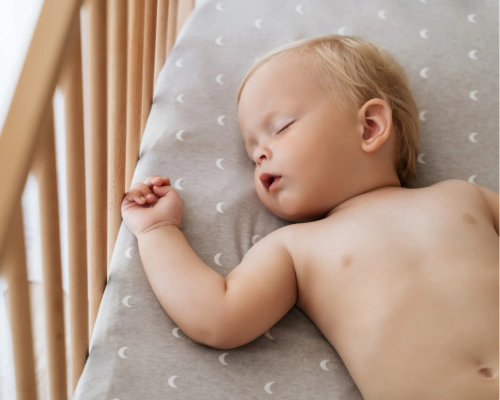
Do those baby sound machines really work?
Babies
It’s a question I’ve been getting a lot lately. The short answer is “yes.”
But before we put the matter to bed, there are some things you need to know.
First, what’s all the fuss about sound frequencies? Frequency refers to the number of sound wave cycles that occur per second, measured in Hertz (Hz). The more cycles, the higher the frequency and higher the perceived pitch, and vice versa. For centuries, many people around the world believed that exposure to different frequencies elicited varying physiological responses. However, the evidence was anecdotal or considered an “alternative” approach to Western medicine.
Recently, however, controlled scientific university studies have demonstrated how sound frequencies can indeed affect our bodily functions. While still an emerging field, researchers have shown how listening to specific frequencies may help us rest easy by lowering a person’s cortisol level (the stress hormone) and increase oxytocin (a feel-good hormone and neurotransmitter).
And given that we’re a notoriously snooze-deprived nation, the sleep sound machine industry has enjoyed a dramatic growth spurt. But buyer beware. What might be great for grownups may be a bust — or even harmful, for babies.
In other words, skip the generic noisemaker and opt for a product marketed for young ears, which are more sensitive. Even then, do your homework. For example, babies shouldn’t be exposed to volumes exceeding 50 decibels (dB). Yet, alarmingly, only a fraction of baby sound machines provide a “default” setting capping the volume to this recommended range, meaning a parent must be extra vigilant to avoid potential harm.
Aside from the volume level, there are other safety issues you may want to consider. Is the unit itself specifically designed for a baby’s room? You’ve probably been hearing a lot about how plastics may cause health problems in kids. While all plastic can’t be avoided, if given the choice, do you need to add yet more into your child’s immediate space?
Additionally, as a parent, you know that everything eventually ends up in someone’s mouth. And, yes, we’re looking at you baby. Does the unit have hard edges or removable parts like batteries, which can pose a choking hazard?
As a pediatrician, I recommend The Dreamer sound machine to my patients because it’s grounded in science with useful bells and whistles. The volume is set at the recommended default setting for kids and it’s not just random noise. Sound options are curated “dreamscapes” to create the optimal sleep sound environment for baby.
The Dreamer is also designed for the baby’s world, with soft surfaces and a food-grade, BPA-free silicone exterior. Did I mention that you can take it “on the go” and it has a downloadable app?
That said, I encourage you to research thoroughly to find the best fit for your family. Then, use the tips provided as guidelines, but don’t be afraid to experiment with different frequencies and sleep protocols. At the end of the day, you’re sure to uncover the best way to tuck in your tyke!
Now that you’ve found a baby sound machine that’s safe and sound, it’s time to put it to work. Here are my five top tips:
- Choose frequencies wisely. Studies show that 432 Hz and 528 Hz are optimal for babies to sleep. Avoid anything above 600 Hz as it could harm little ears.
- Incorporate it in the sleep ritual. Turn it on a few minutes before bedtime.This will begin to cue the baby that it’s time to sleep.
- Play the sound continuously through the nap or night. Just like how a sudden noise can jolt a baby awake, a break in a soothing sound can do the same.
- Adjust the volume — no louder than 50 decibels (dB). This is rockabye, not rock ‘n roll.
- Keep it out of baby’s reach. There’s only one DJ in this home, and it’s you.
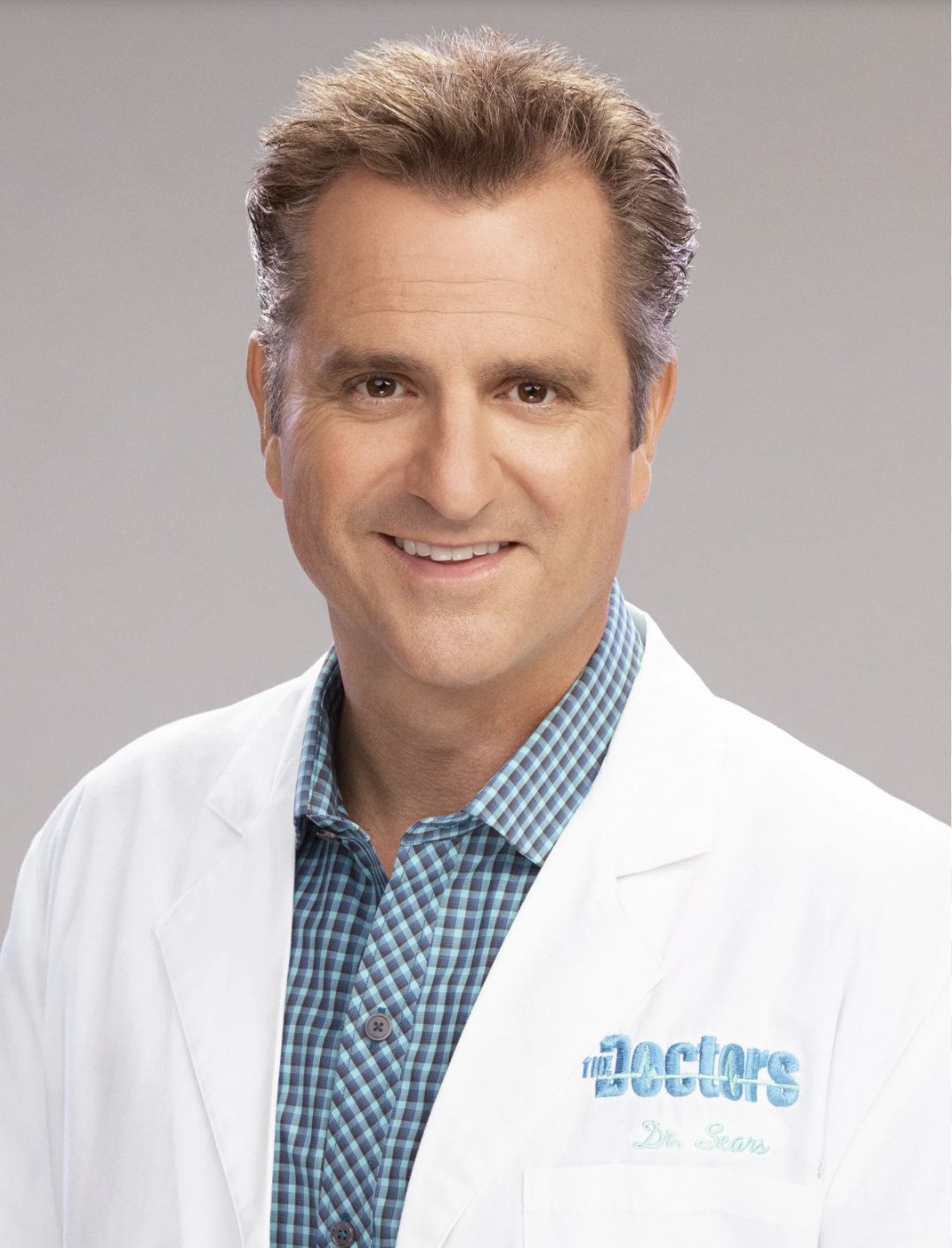
Four-time Emmy Award nominee Dr. Jim Sears is known to millions as America’s go-to pediatrician on the popular daytime show “The Doctors.” He has co-authored several bestselling parenting books, including “The Baby Sleep Book,” “The Baby Book” and “The Premature Baby Book.” He has a medical practice in Capistrano Beach. AskDrSears.com



Leave a Reply
You must be logged in to post a comment.