
What should I keep in mind when choosing a summer camp for my kids?
All ages
Summer can be a powerful season for growth when children are given space to explore, learn and build relationships outside the classroom. That opportunity feels especially critical today, as many families continue to see the long-term effects of the COVID-19 pandemic and the normalization of smartphones and social media on their children’s academic progress and social development.
In the years following school closures, students experienced learning loss in foundational subjects like math and reading, while many educators, strained by limited resources and support, left the profession altogether. Youth also faced additional pressures from social isolation and navigating a digital world not designed to protect them. For parents, these disruptions have made out-of-school time more than just childcare — it has become an extension of a child’s learning and personal development.
High-quality summer programs that thoughtfully blend enrichment, play and supportive mentorship can help children rebuild skills, discover new interests and return to school more confident and energized. For more than 20 years, families have trusted Camp Ohana, summer camps offered through Boys & Girls Clubs of Central Orange Coast at six clubs across Orange County, to strike that balance and create a summer experience rooted in age-appropriate learning, activity and meaningful connection.
Whether you are considering Camp Ohana or another program, here are a few key factors to keep in mind when choosing a summer experience.
Choose a Camp That Aligns with Your Child’s Interests
You’ve heard this advice before. Every child is different. Some thrive with physical activity, others gravitate toward hands-on creativity, and some feel most engaged through reading.
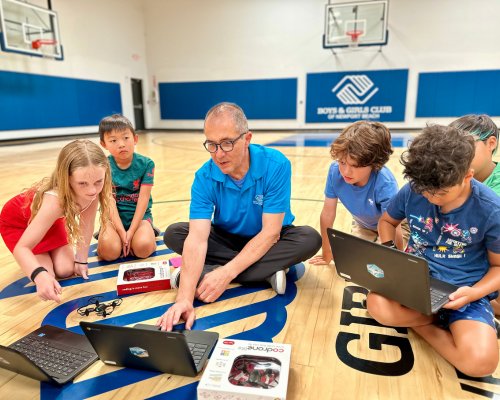
Look for camps that offer a variety of experiences, such as STEM exploration, creative arts and movement-based activities. When thoughtfully designed, these opportunities can inspire curiosity, build confidence and support social-emotional growth in a safe, nurturing environment. When a camp aligns with your child’s personality and interests, they are far more likely to feel excited, included and motivated from day one.
Ensure a Healthy Balance of Structure and Choice
Strong summer programs thoughtfully mix guided activities with time for free play. Some camps take this a step further by organizing age-appropriate weekly themes and field trips that give children a sense of structure while keeping the experience fresh and engaging. Themes such as robotics challenges, color-based team games or hands-on cooking science can spark excitement and help children learn through fun activities.
Guided activities encourage problem-solving, collaboration and teamwork, while unstructured time allows for self-exploration, creativity and the organic development of friendships.
Look for a Qualified and Caring Staff
When choosing a school or summer camp, the adults you entrust your child to are among the most important decisions you will make. Over time, educators and camp counselors play a significant role in a child’s development, helping shape how they learn, socialize and build confidence. Equally important are the camp provider’s protocols for monitoring, supervision and general safety.
Camps that invest in mentors who are consistent, attentive and trained in youth development create environments where children feel safe, supported and encouraged to grow. Caring staff promote positive outcomes by fostering healthy peer relationships and serving as trusted role models throughout the summer.
Choose Camps Rooted in Year-Round Youth Development
Some summer camps operate for only a few months each year, while others are connected to organizations that work with youth year-round. Camps grounded in ongoing youth development often bring a deeper understanding of children’s academic and social-emotional growth and how those needs evolve over time.
That long-term perspective can result in greater continuity, stronger staff training and more intentional programming that supports children beyond a single summer season.
Prioritize a Whole-Child Approach
Summer camp should be rooted in a clear goal: helping children reach their full potential. The most effective camps recognize that youth development is about shaping young people who are confident, caring and prepared to contribute positively to their communities.
Camps that take a whole-child approach integrate enrichment, physical activity and social-emotional learning within a supportive environment. When the full spectrum of a child’s needs is addressed, youth return to school more connected, resilient and prepared to thrive long after summer ends.
Kristle Duran is chief operations officer of Boys & Girls Clubs of Central Orange Coast.







Leave a Reply